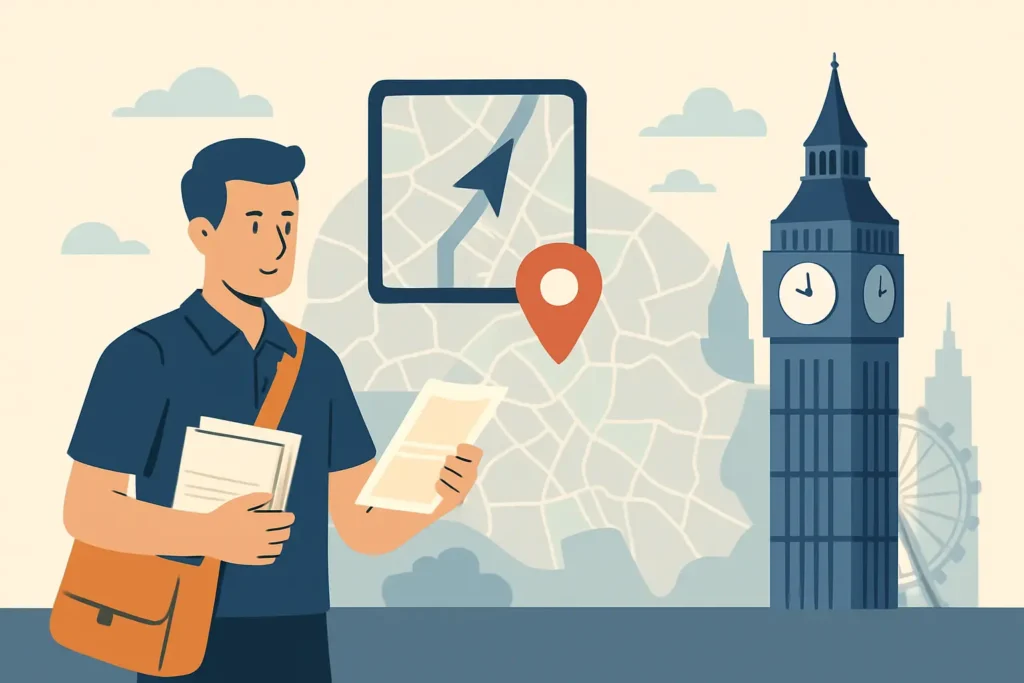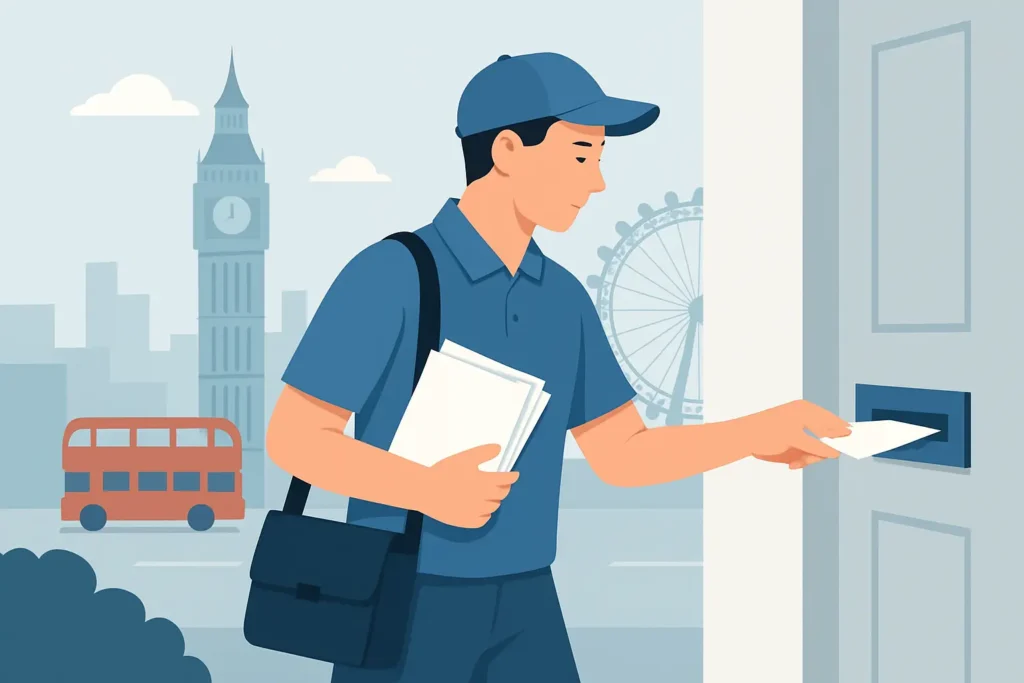
A brochure campaign can look simple on paper. Print the stock, pick the area, send a team out, wait for responses. In practice, that is where many businesses lose time and momentum. If your brochures do not reach the right streets, the right households or the right hands, the whole campaign becomes guesswork.
That is why choosing the right brochure distribution service London businesses can rely on is not just about getting material out the door. It is about control. You need clear targeting, proper supervision and proof that your campaign actually happened where it was meant to happen.
What a brochure distribution service in London should actually do
A proper service should manage more than delivery. It should help you shape the campaign from the start, so the brochures are going to the areas most likely to respond. For some businesses, that means door-to-door coverage in specific postcodes. For others, it means hand-to-hand distribution near transport hubs, shopping streets, venues or local hotspots.
The key point is this: distribution is only useful when it is planned around an audience. A gym opening in one part of the city needs a different spread from a restaurant promoting a weekday lunch offer or a school promoting an open day. London is too varied for broad assumptions. One borough can behave very differently from the next, and even neighbouring streets can produce very different response levels.
A managed service should guide that decision-making. It should also make sure the creative works for the channel. A brochure handed directly to someone needs a different emphasis from one landing on a doormat. The format, offer and call to action all matter because printed marketing still relies on one simple rule – the message has to feel relevant quickly.
Why accountability matters in brochure distribution service London campaigns
The biggest concern most businesses have with leaflet and brochure distribution is straightforward. Did the material actually go where it was supposed to go?
That concern is fair. Offline marketing works well when execution is tight, but weak delivery damages trust fast. This is why accountability should be built into the service, not added as an afterthought.
GPS tracking makes a real difference here. It gives you a record of where teams have been, helps confirm route coverage and removes a lot of the uncertainty that puts businesses off print campaigns. Monitoring and supervision matter just as much. Tracking alone is useful, but tracking combined with managed teams and reporting gives you far better visibility.
For a business owner or marketing manager, this changes the conversation. You are no longer relying on hope or verbal assurances. You are working with evidence. That is especially important if you need to report internally, compare channels or repeat successful campaigns in the same areas.
A money-back guarantee also tells you something about how a provider runs its operation. It shows they are prepared to stand behind the work. That level of confidence usually comes from tighter processes, stronger supervision and a service model built around accountability.
Targeting makes the difference between coverage and waste
A lot of underperforming brochure campaigns do not fail because print is weak. They fail because the targeting is lazy.
London gives you reach, but reach on its own is not the goal. A local estate agent wants visibility in catchment areas that match the properties they list. A salon wants nearby households that can become repeat customers. An events business may need footfall near a venue, while a local trade service may want residential streets within a practical travel radius.
This is where area selection needs to be grounded in how the business actually wins customers. Good targeting looks at likely buying behaviour, travel patterns, postcode relevance and local density. It also takes timing seriously. A brochure campaign for a seasonal offer or opening launch has a narrow window, so delay can be as damaging as poor targeting.
There is always a trade-off between going broad and going focused. Broader coverage can build general visibility, but it can also dilute response if the message is only relevant to a narrow audience. Tighter targeting usually produces clearer intent, but only if the area choice is based on something more useful than guesswork. The right provider should talk this through with you rather than pushing a generic approach.
Creative and print still affect distribution results
Distribution teams can only work with what they are given. If the brochure is cluttered, vague or missing a clear next step, delivery alone will not fix it.
That is why end-to-end support matters. If your distribution partner can also help with design, copy and print, the campaign becomes more joined up. The targeting, message and delivery method can all support the same goal. That is better than treating each stage as a separate job handled in isolation.
For first-time advertisers, this support removes a lot of friction. You do not need to piece together multiple suppliers and hope the campaign still makes sense by the end. For experienced marketers, it means faster execution and fewer weak links.
The brochure itself should do one job clearly. It might drive bookings, promote an opening, push a limited-time offer or generate local enquiries. Trying to cram every service and selling point into one piece often weakens response. Clear headlines, practical copy and an easy call to action tend to perform better than overworked messaging.
Speed matters more than many businesses realise
A brochure campaign is often tied to a live commercial objective. You might be launching, filling appointments, promoting an event or trying to increase local footfall within a specific period. In those cases, slow coordination can make the campaign less effective before it even begins.
A reliable distribution partner should be able to move quickly without losing control. That means giving clear advice, confirming targeted areas, preparing the campaign properly and getting the material out on time. Speed on its own is not enough, of course. Rushed and poorly supervised distribution creates its own problems. But a provider that can combine fast turnaround with proper monitoring is far more useful than one that treats urgency as an inconvenience.
For London businesses in competitive sectors, that responsiveness matters. If you have a short promotional window, local competition and limited internal time, a managed campaign can take pressure off your team while keeping momentum up.
Who benefits most from a brochure distribution service in London?
This kind of campaign works especially well for businesses that depend on local demand. That includes restaurants, cafés, gyms, dentists, salons, trades, estate agents, shops, franchises, nurseries, schools, event organisers and community-led organisations. It also suits businesses opening a new location or expanding into a new patch.
The common thread is simple. You need visibility in a defined area and you need that visibility quickly. Digital channels can support that, but print still plays a strong role when you want physical reach in specific postcodes or face-to-face contact in busy locations.
That said, brochure distribution is not a magic fix for a weak offer. If the message is unclear or the service does not fit the area, response will suffer. A good provider should be honest about that. The best campaigns happen when targeting, message and execution all line up.
What to ask before you commit
If you are comparing providers, look past promises about reach and ask how the campaign is actually managed. Who plans the area selection? How is distribution monitored? What proof do you receive afterwards? Is the team supervised? Can they support design and print if needed? What happens if standards are not met?
These questions matter because brochure distribution is an execution-heavy service. Results often depend less on sales talk and more on whether the operational side is controlled properly.
A service-led provider should be comfortable answering that in plain terms. If they can show how campaigns are targeted, tracked and reported, you are in a much stronger position to make a sensible decision.
For businesses that want a done-for-you approach, Wendigo Distribution stands out by combining planning, print support, GPS-tracked delivery, supervision and a clear guarantee under one managed service. That makes the process simpler and gives you far more confidence that your brochures are reaching the right areas.
The strongest brochure campaigns are not the loudest. They are the ones built around the right audience, delivered with proper oversight and measured with enough clarity to help you make the next move with confidence.