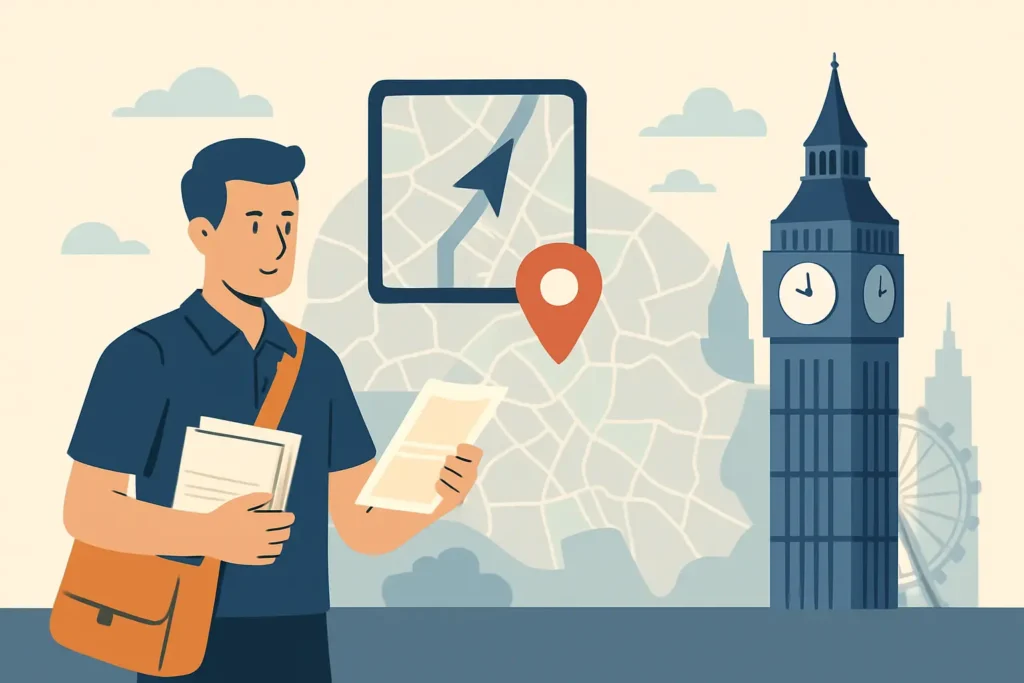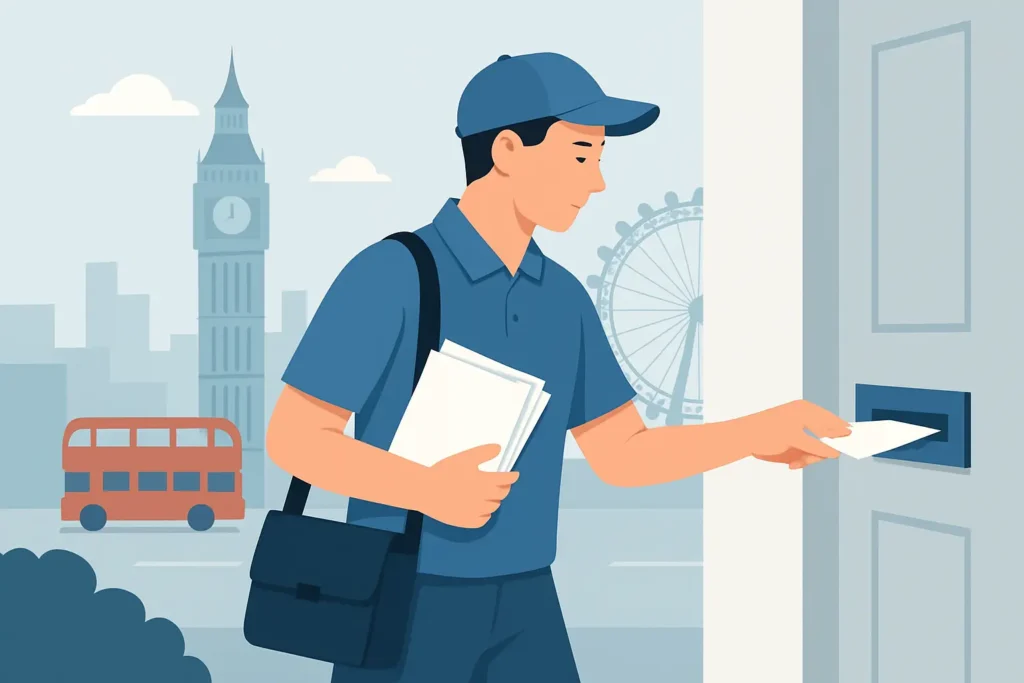
A leaflet campaign can put your offer directly through the doors of the people most likely to use it. But volume alone does not create results. Knowing how to plan leaflet distribution means matching the right message, neighbourhoods, timing and delivery method – then checking that every planned street has been covered.
For London businesses, that control matters. A gym opening, restaurant launch, local trades campaign or event promotion can lose momentum quickly if leaflets reach the wrong households, arrive after the offer ends or are distributed without proper supervision. A clear plan keeps the campaign focused on local customer acquisition from the start.
Start with one clear campaign objective
Before choosing postcodes or print quantities, decide what the leaflet needs to achieve. “More awareness” is usually too broad to guide a distribution campaign. A stronger objective is to generate bookings for a new service, increase weekday footfall, fill an event, recruit local members or create enquiries within a defined area.
Your objective determines the offer, the audience and how you measure results. For example, a café may want nearby residents to redeem a weekday voucher, while a roofing company may want homeowners to request a survey. Both can use door-to-door delivery, but their leaflet design and targeting should be different.
Keep the campaign centred on one primary action. Ask the reader to call, scan a QR code, visit a booking page, quote a code or bring the leaflet into your premises. Trying to promote every service at once weakens the response. The quickest way to lose attention is to make a local offer feel complicated.
How to plan leaflet distribution around the right audience
The best distribution areas are not necessarily the largest or closest. They are the areas where your likely customers live, work or make decisions. Start with your existing customers. Look at where they are based, how far they travel to you and which services or offers they use most often.
A business that relies on repeat local trade may benefit from tight distribution around its premises. A company with a higher-value service may need to reach selected residential streets across several nearby districts. In London, postcode sectors can contain very different housing types, household profiles and travel patterns, so broad borough-level targeting is rarely precise enough.
Think about practical fit as well as demographics. Families may be the priority for a children’s activity provider. Flats near transport links may suit a food delivery launch. Homeowners in selected streets may be more relevant for a landscaping, glazing or home improvement campaign. The aim is not to reach everyone. It is to reach the households with the strongest reason to respond.
Build a sensible distribution radius
Map the area customers realistically cover. For a local shop, venue or takeaway, a short radius often makes sense because convenience drives action. For a specialist clinic, training provider or trades business, the catchment may be wider if customers are willing to travel or the service comes to them.
Avoid treating a radius as a circle on a map. Major roads, rail lines, parks and competing high streets can affect how people move around an area. Use known customer locations and local knowledge to shape the boundary. A targeted campaign in areas such as Enfield, Harrow, Tottenham or Walthamstow should reflect how people actually use local services, not just where the map says they live.
Create an offer people can act on now
A leaflet gets only a few seconds of attention. The main benefit should be obvious before the reader reaches the small print. Lead with the problem you solve or the result your customer wants, then support it with a clear reason to act promptly.
Your offer does not always need to be a discount. It could be a free consultation, a limited run of appointments, an opening-week invitation, a seasonal service reminder or an exclusive local package. What matters is relevance. “Professional services available” is forgettable. “Book your boiler check before winter” gives a household a clear reason to keep the leaflet.
Make the call to action easy to follow. Use one memorable phone number, a simple web address or a QR code that goes directly to the relevant page. If you use a QR code, test it on several phones before printing. It should take people to a mobile-friendly page with the same offer shown on the leaflet.
A unique promo code is particularly useful. It helps you separate leaflet-driven responses from walk-ins, referrals and other marketing activity. Staff should know the code and have a simple process for recording it whenever someone calls, visits or books.
Choose the delivery method that fits the job
Door-to-door distribution is suited to offers that benefit from repeated household visibility. It puts a physical reminder in the home and works well for local services, restaurants, gyms, schools, property businesses and community events. It is also useful when your customer may not be actively searching for what you offer yet.
Hand-to-hand distribution is stronger when timing and footfall are the priority. It can work well near stations, shopping areas, events or busy high streets, particularly for immediate promotions. However, it needs careful planning around the right times of day, permissions where required and the type of person passing through. Large footfall does not automatically mean the right audience.
Some campaigns benefit from a combination. Door-to-door distribution can build recognition in selected neighbourhoods, followed by hand-to-hand activity close to a venue or on a launch date. The right choice depends on whether you need household reach, immediate action or both.
Plan the timing before you print
Distribution should support the moment a customer is most likely to act. A restaurant promotion may perform best shortly before a busy weekend. A tutoring campaign may need to land before a new term. A trades campaign can align with seasonal demand, while event leaflets need enough lead time for people to make plans without being delivered so early that they are forgotten.
Allow time for artwork approval, printing, area planning and the distribution itself. If your offer has an end date, make sure the final delivery date leaves recipients enough time to respond. Running a campaign in waves can also be useful: deliver to a core area first, review early enquiries, then extend into the strongest neighbouring streets.
Do not overlook operational capacity. If a successful leaflet campaign drives calls, bookings or shop visits, your team needs to be ready. Slow replies can waste the response you have worked to generate. Prepare scripts, booking slots, stock and staff cover before the leaflets begin landing.
Demand proof of delivery and campaign control
Leaflet distribution is only valuable if the planned routes are completed properly. A reliable provider should be able to explain how teams are supervised, how routes are allocated and what evidence is supplied after delivery. Vague assurances are not enough when you are investing in local reach.
GPS-tracked distribution gives you a practical record of where teams have worked and supports accountability across the campaign. Monitoring is especially valuable on larger runs, multi-area activity and time-sensitive promotions. It allows you to compare planned coverage with completed routes rather than relying on assumptions.
Ask how exceptions are handled too. Access restrictions, gated developments, unsuitable addresses and weather can affect delivery. A professional plan recognises these realities, records them clearly and keeps the campaign moving. Wendigo Distribution uses GPS tracking, supervised teams and reporting to give London businesses visibility over distribution activity, backed by a money-back guarantee.
Measure response, then improve the next drop
Do not judge a campaign only by how many leaflets were distributed. Track the actions that matter to your business: calls, online enquiries, code redemptions, bookings, visits and sales. Ask every new customer how they heard about you, even if they do not mention the leaflet immediately.
Review results by area where possible. One postcode sector may generate a higher quality of enquiry than another, even if both received the same quantity. That insight helps you tighten the next campaign, adjust the offer or repeat delivery where awareness is building.
Leaflet distribution often works better as a planned local presence than a one-off gamble. A well-targeted first drop creates recognition; a follow-up can give people the prompt they needed to act. Keep the message consistent, make every response measurable and let real customer behaviour guide the next streets you choose.