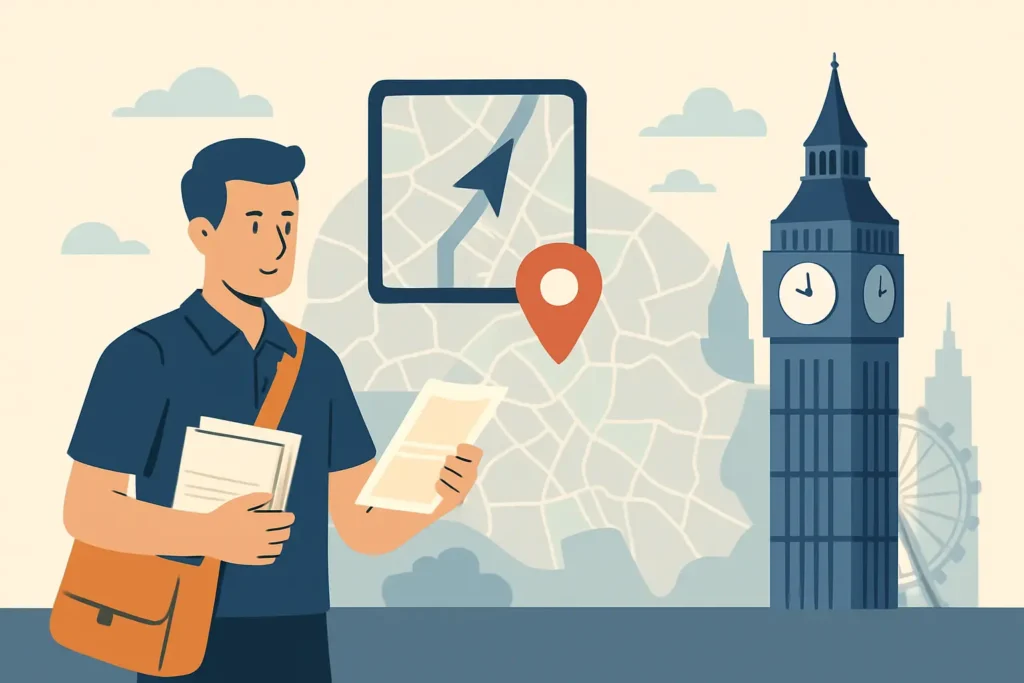
Haringey is not a borough where broad, lazy marketing does much. The mix of busy high streets, residential streets, families, renters, long-term homeowners and fast-moving local trade means a door drop campaign Haringey businesses run needs proper planning from the start. If you want leaflets through the right doors, in the right streets, with proof the job was done properly, the campaign has to be managed with precision.
That matters whether you are promoting a restaurant in Wood Green, a local service in Tottenham, a fitness offer near Crouch End, or an event that depends on quick neighbourhood awareness. The businesses that get the best return from leaflet distribution are usually not the ones printing the loudest flyer. They are the ones that match message, area and timing without leaving delivery to chance.
Why a door drop campaign in Haringey still works
Digital ads can help with visibility, but they are easy to scroll past and harder to trust. A printed leaflet is physical, local and immediate. It lands in the home, stays on the kitchen side, and can be read when the customer is ready. For many local businesses, that is still a strong route to action.
Haringey is especially suited to this kind of marketing because many buying decisions are local and practical. Residents need nearby trades, takeaways, dentists, estate agents, tuition providers, gyms and local events. A well-timed leaflet does not interrupt them while they are halfway through something else online. It reaches them where the decision often happens.
That said, print is not magic. A poor campaign can waste coverage on the wrong streets or rely on distribution without any real accountability. The advantage comes from control. Area selection, household fit, offer clarity and monitored delivery all make the difference between a leaflet campaign that disappears and one that brings in calls, visits and bookings.
What makes a strong door drop campaign Haringey businesses can rely on
The first part is targeting. Haringey is not one uniform audience, and treating it like one usually weakens results. A family-focused childcare service may perform better in residential pockets with a strong household base, while a lunch offer for a café may need a tighter radius around a specific high street or station catchment. If your campaign is aimed at everyone, it often reaches no one particularly well.
The second part is the message. People decide fast. They need to know what you do, where you are, why they should care now and what to do next. That sounds obvious, but many leaflets still fail on basic clarity. Too much copy, no clear benefit, weak design, and no reason to respond immediately. Good distribution cannot rescue poor creative.
The third part is delivery control. This is where many businesses get caught out. They assume the campaign has gone out as booked, but they have no real evidence of route completion or team performance. In a managed campaign, GPS tracking, active supervision and reporting give you confidence that the leaflets reached the intended areas. That is not a nice extra. It is central to campaign trust.
Start with the right neighbourhoods, not the biggest map
One of the biggest mistakes in leaflet marketing is choosing coverage based on size rather than suitability. Bigger is not automatically better. In Haringey, the smarter approach is to build a campaign around where your customers are most likely to respond.
For example, a local takeaway may want dense residential streets near its delivery zone, where frequency and convenience drive orders. A premium home improvement service may be better served by more selective neighbourhood targeting. A gym or studio might focus on roads within a short travel distance where regular attendance is realistic. The campaign should follow the customer journey, not just the postcode boundary.
This is where local knowledge matters. Roads, estates, clusters of shops, commuter routes and housing mix all affect response. Good planning avoids dead ground and puts effort into the streets that are more likely to convert. It also helps with repeat distribution, which is often where results improve. Many customers do not act on the first leaflet, but they remember the second or third.
Creative has to do one job well
A leaflet is not a brochure unless it needs to be. In most cases, its job is simple – get attention, deliver one clear offer or reason to act, and make the next step obvious. If the design tries to say everything, it usually says nothing clearly.
For local campaigns, practical beats clever. Strong headlines, obvious branding, concise service information and a visible call to action work better than vague slogans. If there is an offer, it needs to feel specific and easy to use. If there is no discount involved, there still needs to be a reason to respond now, whether that is availability, seasonality, convenience or a limited-time promotion.
The best leaflets also match the audience. A family audience may respond to reassurance and simplicity. A hospitality campaign may need appetite appeal and urgency. A local trades flyer should look trustworthy and direct, not overdesigned. Creative support matters because small changes in wording, layout and hierarchy can improve response without changing the whole campaign.
Delivery proof is what separates a managed campaign from a gamble
Businesses do not just want leaflets distributed. They want to know the job was done properly. That is why monitored distribution matters so much in a door drop campaign.
GPS tracking gives a practical layer of accountability. Instead of relying on assumptions, you can see that routes were covered as planned. Add supervision and reporting, and the process becomes much more reliable. For a business owner or marketing manager, that reduces risk and removes the usual doubt that hangs over poorly managed leaflet drops.
It also helps internally. If your campaign performs well, you can scale it with more confidence because the delivery side is controlled. If performance is weaker than expected, you can review the message, area or timing knowing the distribution itself was not the unknown variable. That clarity is valuable.
Timing can change the whole result
The same leaflet in the same area can perform very differently depending on when it lands. That is why planning matters beyond postcode selection.
Some campaigns need to align with weekends, school terms, local events or seasonal behaviour. A restaurant opening push, for instance, may work best just before peak social days. A tutoring offer may need to land before parents start actively searching. A home services campaign can benefit from seasonal triggers when need becomes more urgent.
There is also the question of frequency. One drop can create awareness, but repeated drops often produce better recall and stronger response. That does not mean saturating an area without thought. It means structuring your campaign so the same households see your brand more than once, with consistent presentation and a clear reason to act.
Who benefits most from a Haringey door drop campaign?
This approach tends to work best for businesses that serve a defined local area and need response, not just impressions. Restaurants, takeaways, estate agents, dental practices, gyms, trades, salons, tuition providers, local retailers and community organisations all fit that profile.
It also suits businesses that need speed. If you have an opening, event, promotion or service push that cannot wait for long-term brand building, leaflet distribution gives you a direct route into homes. You are not waiting for algorithm changes or hoping your ad budget stretches far enough. You are putting your message physically into the target area.
For first-time users of print marketing, the key is not to treat it as a one-off experiment with no structure. For experienced marketers, the focus is usually on tighter targeting, better reporting and cleaner execution. In both cases, done-for-you campaign management saves time and improves control.
What to expect from a properly run campaign
A good campaign should feel organised from the first conversation. You should be clear on the target area, the campaign objective, the message, the format and the delivery plan. If creative or print support is needed, that should be handled as part of the process rather than left as an afterthought.
Execution should then be straightforward. Materials are prepared, routes are scheduled, delivery teams are managed, and reporting follows the job. That is the standard businesses should expect. It is one reason service-led distribution companies stand out from suppliers that simply move leaflets from one place to another.
For brands that care about measurable local reach, operational control is not optional. GPS tracking, active oversight and a money-back guarantee all help build confidence that the campaign is being delivered to the standard promised. That level of accountability is exactly why businesses across London use managed distribution partners such as Wendigo Distribution when they need fast, reliable local coverage.
A strong leaflet campaign does not start with paper. It starts with discipline – the right streets, the right message and proof of delivery. Get those three right in Haringey, and your next campaign has a much better chance of turning local attention into real business.