A lot of businesses ask the same question just before a campaign goes live: flyer printing vs leaflet printing – is there actually a difference, and does it matter? The short answer is yes, but not always in the way people expect. In practice, the right choice depends less on what you call the item and more on what you need it to do once it lands in someone’s hand or through their letterbox.
That matters if you are trying to drive local response quickly. A restaurant launching a new menu, a gym pushing a seasonal offer, or a trades business targeting selected postcodes all need printed marketing that is clear, well produced and suited to the delivery method. If the format is wrong, even good design can struggle.
Flyer printing vs leaflet printing: what is the difference?
In everyday business use, the two terms are often used interchangeably. Many people say flyer when they mean a single printed promotional sheet, and many say leaflet for exactly the same thing. Printers, designers and distribution teams hear both all the time.
Still, there is a useful distinction. A flyer is usually seen as more immediate and promotional. It is often built around a short message, a single offer, an event, a launch, or a direct call to action. The aim is speed. Get attention, communicate the key point, and move the reader to act.
A leaflet usually suggests something a little more structured. It may still be a single sheet, but the content often carries more detail. In some cases it is folded, which gives you more room for services, menus, treatment lists, opening times, maps or brand information. The aim is still response, but with more explanation.
That is why the distinction matters. If you need a fast hit of local awareness, a flyer-style approach often works well. If your audience needs a bit more reassurance before making contact, leaflet-style communication can do the job better.
When flyer printing makes more sense
Flyers are strong when the offer is simple and time-sensitive. Think grand openings, weekend promotions, limited booking slots, student nights, local events or discount-led campaigns. The format suits hand-to-hand distribution particularly well because the message can be absorbed in seconds.
This is where discipline matters. A flyer should not try to say everything. It should lead with one clear message, support it with a strong visual hierarchy, and finish with a direct action such as booking, calling, scanning a QR code or visiting a location. Once a flyer becomes overcrowded, it starts losing the very advantage it was supposed to have.
For London businesses working in busy, competitive areas, that speed of communication is valuable. People are distracted. They are walking, commuting, shopping or heading somewhere else. A flyer has to do its job quickly.
When leaflet printing is the better fit
Leaflets come into their own when your service needs more context. Estate agents, dental practices, local education providers, beauty clinics, takeaways, home improvement companies and community organisations often need more room to explain what they offer and why someone should trust them.
That extra space can help you structure information properly. Instead of forcing everything into one block, a leaflet can separate services, benefits, testimonials, contact options and areas covered. Folded formats are especially useful when you want the front panel to sell the idea and the inside panels to answer the practical questions.
There is a trade-off, though. More space can improve clarity, but it can also tempt businesses into saying too much. The strongest leaflets still stay focused. They guide the reader, rather than burying them in copy.
Flyer or leaflet: the delivery method changes the decision
The argument is not only about print format. It is also about how the piece will be distributed.
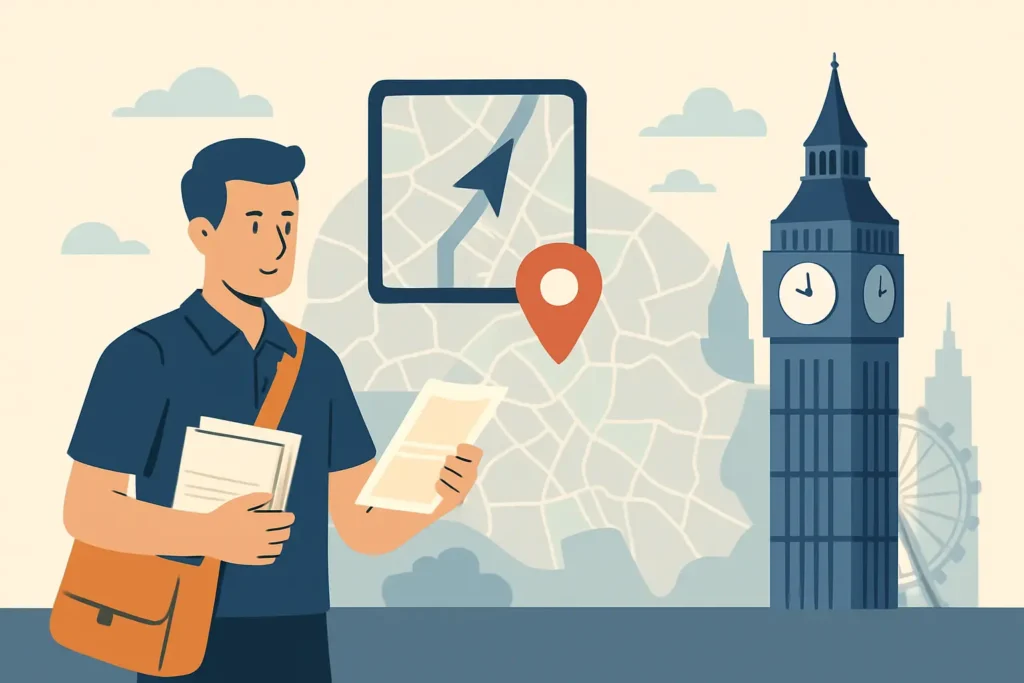
If you are planning hand-to-hand distribution outside stations, on high streets or near event venues, flyer-style print often performs better because it works in short attention windows. People decide in a glance whether to keep it or bin it. Bold headlines and a clear incentive matter more than detailed explanation.
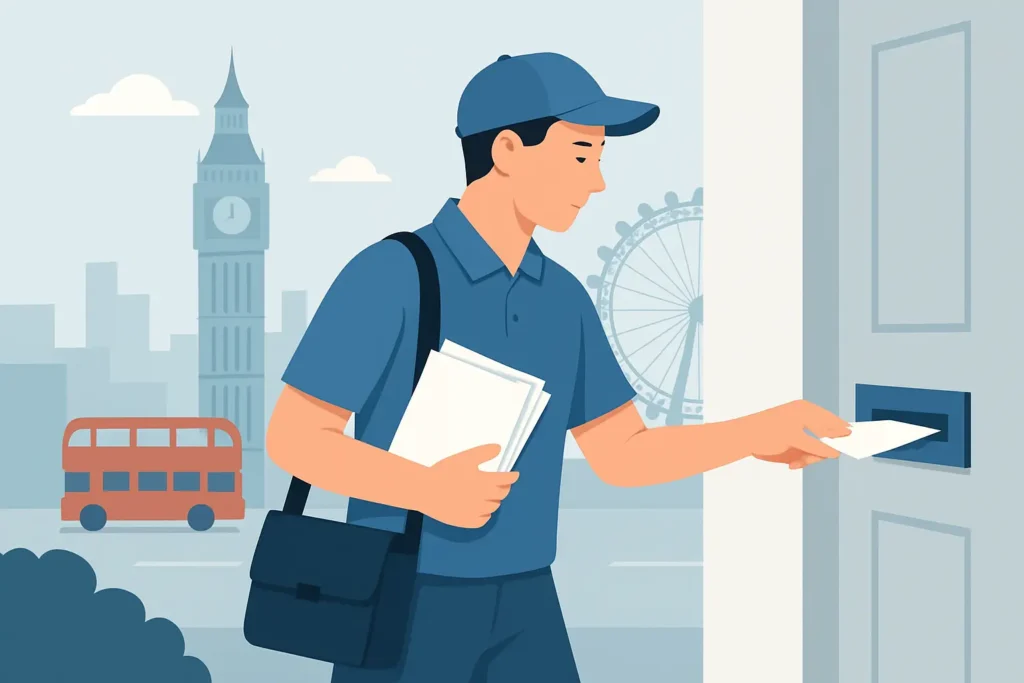
If you are running a door-to-door campaign, leaflet-style print often has the advantage. A letterbox delivery gives the recipient more time. They can read it at home, compare options and come back to it later. That makes folded pieces, service-led layouts and more detailed messaging more effective.
This is where campaign planning makes a real difference. Print should not be chosen in isolation. The design, size, amount of copy and call to action need to match the actual route to the customer.
Design matters more than the label
Many businesses spend too long worrying about whether they need a flyer or a leaflet and not enough time focusing on the actual communication. A badly designed leaflet will underperform. So will a weak flyer. The label does not rescue poor execution.
What matters is whether the piece is easy to understand and built for response. That means a headline people can read instantly, a clear offer or benefit, sensible use of space, strong branding, and one obvious next step. If you are promoting multiple services, they need to be organised in a way that makes scanning easy.
Print quality matters too, because it shapes first impressions. Thin, poorly finished print can make a business look less established than it is. On the other hand, going overly elaborate for a mass local campaign is not always the smartest move. The right finish is the one that supports the message and survives distribution well.
Flyer printing vs leaflet printing for local lead generation
If your main goal is lead generation, the choice comes down to customer intent. Are you trying to trigger an impulse response, or are you trying to move someone from mild awareness to active consideration?
A flyer is often better for impulse. It can create urgency and drive a fast reaction, especially when the offer is strong and the audience is nearby. A leaflet is often better for consideration. It gives people enough substance to remember you, compare you and act later.
Neither is automatically better. A takeaway opening in a target patch may benefit from a fast, visual flyer with a strong introductory deal. A local cleaning company covering a wider service area may get more from a leaflet that explains services, availability and trust signals clearly.
This is also where tracking matters. If you use promo codes, dedicated phone numbers, QR codes or area-based response monitoring, you get a clearer picture of whether the format matched the campaign goal. Without that, businesses often end up guessing.
Common mistakes businesses make
One of the biggest mistakes is choosing a format based on habit. A company used flyers before, so it prints flyers again. Another assumes a folded leaflet always looks more professional, even when the message is simple enough for a single side.
Another mistake is trying to combine too many objectives. If you want to announce a launch, explain every service, introduce your brand story, list testimonials and push a discount all at once, the piece becomes harder to follow. Good print marketing is selective.
Distribution is another weak point. Even a strong printed piece will struggle if it is delivered in the wrong areas or without proper oversight. For local campaigns, targeting matters just as much as design. Hitting the right streets, the right households and the right customer profile is what turns print into a working acquisition channel rather than wasted stock.
That is why managed campaigns tend to perform better than disconnected printing and ad hoc delivery. When design, print and distribution are planned together, the end result is far more controlled. For businesses that need accountability, GPS-tracked delivery and proper reporting remove a lot of the uncertainty from leaflet campaigns.
How to choose the right print for your campaign
Start with the decision your customer needs to make. If they only need a nudge, a flyer may be enough. If they need confidence, a leaflet is usually the safer option.
Then consider the setting. Hand-to-hand promotion favours quick, bold communication. Door-to-door delivery gives you more room to explain. Think about how long the reader is likely to spend with the piece and what they need to know before taking action.
Finally, be honest about the strength of your message. If the offer is weak or vague, changing from flyer to leaflet will not fix it. Strong campaigns are built on clear targeting, sharp copy, practical design and reliable distribution. That combination does the heavy lifting.
For many London businesses, the best answer is not choosing one format forever. It is choosing the right format for the job. A flyer for short-term promotion. A leaflet for broader service messaging. Sometimes both, used at different points in the same local campaign.
If you treat print as part of a managed response strategy rather than a box-ticking exercise, the choice becomes much easier. The question is not what sounds better. It is what gets read, remembered and acted on in the areas that matter to your business.